Corneal Disease and Surgery
Corneal Disease can be caused by injuries, infections, or genetic conditions. Corneal Diseases impair the ability of the eye to let in light and focus. This often leads to blurry vision, eye pain, and other side effects.
Are You at Risk for Corneal Disease?
Fuchs’ Dystrophy is a type of corneal disease which occurs when cells in the endothelial layer of the cornea begin to die off. These cells usually pump fluid out of the cornea to keep it clear. When these cells die, fluid builds up causing the cornea to swell and vision to become blurry and cloudy.
There are more than 20 different types of corneal dystrophies. If vision becomes blurry, there are different procedures and surgeries available to treat the disease.
Eye infections, injuries, or previous surgery on the eye can cause corneal scarring. Different options, surgical and non-surgical, may be available depending on your diagnosis. A thorough eye examination by a corneal specialist can help you determine what treatment or option is best for you.
A corneal ulcer is an open sore on your cornea and is considered a medical emergency. Infections are the leading cause. Contact lens overwear – wearing old contacts, wearing contacts longer than their prescribed schedule, sleeping in contact lenses, not properly cleaning contact lenses – is also a leading cause of cornea ulcers. Symptoms include a red or bloodshot eye, watering eye, severe eye pain, and pus or other eye discharge. In severe cases or cases with delays in treatment, a corneal ulcer is more likely to cause vision loss and blindness. If you are experiencing any of these symptoms, you should be seen by your eye doctor immediately to begin treatment (if wearing contact lenses, please discontinue wear immediately).
Cornea Transplant Surgery
Corneal transplant surgery involves removing the damaged or diseased cornea from the eye and replacing it with a healthy cornea. There are now several different options when it comes to corneal transplant surgery; full thickness Penetrating Keratoplasty (PK), partial thickness Descemet’s Stripping (Automated) Endothelial Keratoplasty (DSEK/DSAEK), and the newer partial thickness Descemet Membrane Endothelial Keratoplasty (DMEK). During the full thickness transplant, a healthy cornea, which comes from a donor, is sewn in place during the surgery. Over time vision will improve, but the process can be long as the new full thickness cornea heals into place. Partial thickness transplants are ideal for patients that only need the Descemet’s membrane and damaged endothelial cells removed and replaced with healthy donor tissue. These partial thickness transplants leave the surface of the cornea untouched and the cornea heals into place by inserting an air bubble behind the cornea. It is required of the patient to lay flat on their back in an 180-degree plane for 24-48 hours as directed by the surgeon. With the DSEK/DSAEK, vision recovery is much quicker and outcomes are better than a full thickness graft. DSEK/DSAEK donor cornea includes 3 layers of tissue, while the more advanced DMEK is thinner and only includes 2 layers of tissue. The new DMEK procedure has a lower rate of rejection, smaller incision, and better potential vision after surgery. Depending on your condition, the surgeon will recommend the best treatment and surgical plan for you.
For a successful outcome, it is important to attend ALL scheduled appointments and follow ALL post-operative instructions. Occasionally, corneal transplants can reject which causes the cornea to cloud, the eye may turn red, and the vision to deteriorate. To prevent rejection, patients are kept on a once a day prophylactic eye drop. Patients are encouraged to call as soon as they begin to notice significant decreases in vision, in which the doctor can prescribe stronger eye drops to decrease rejection.
Corneal Specialists at Kansas City Eye Clinic
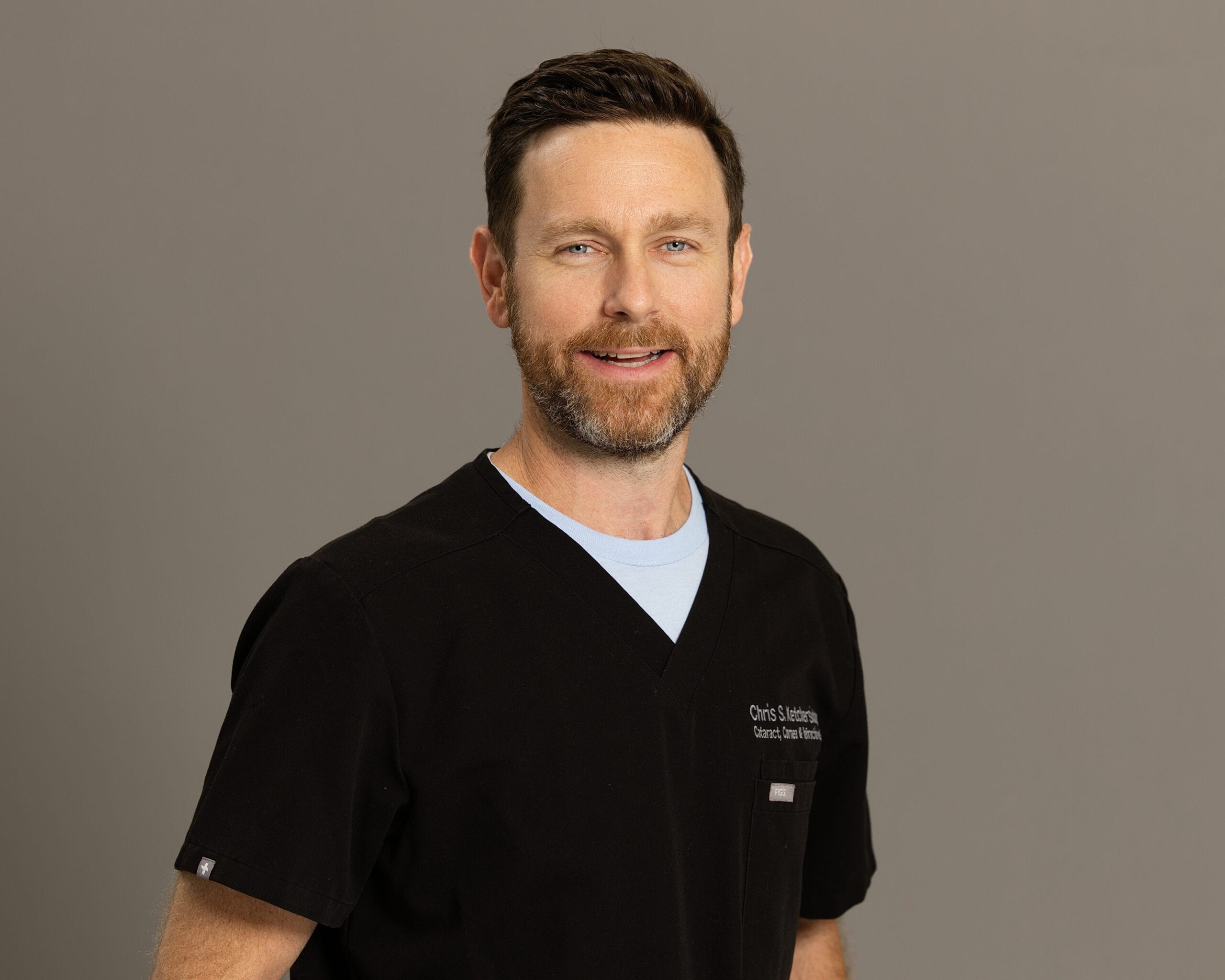
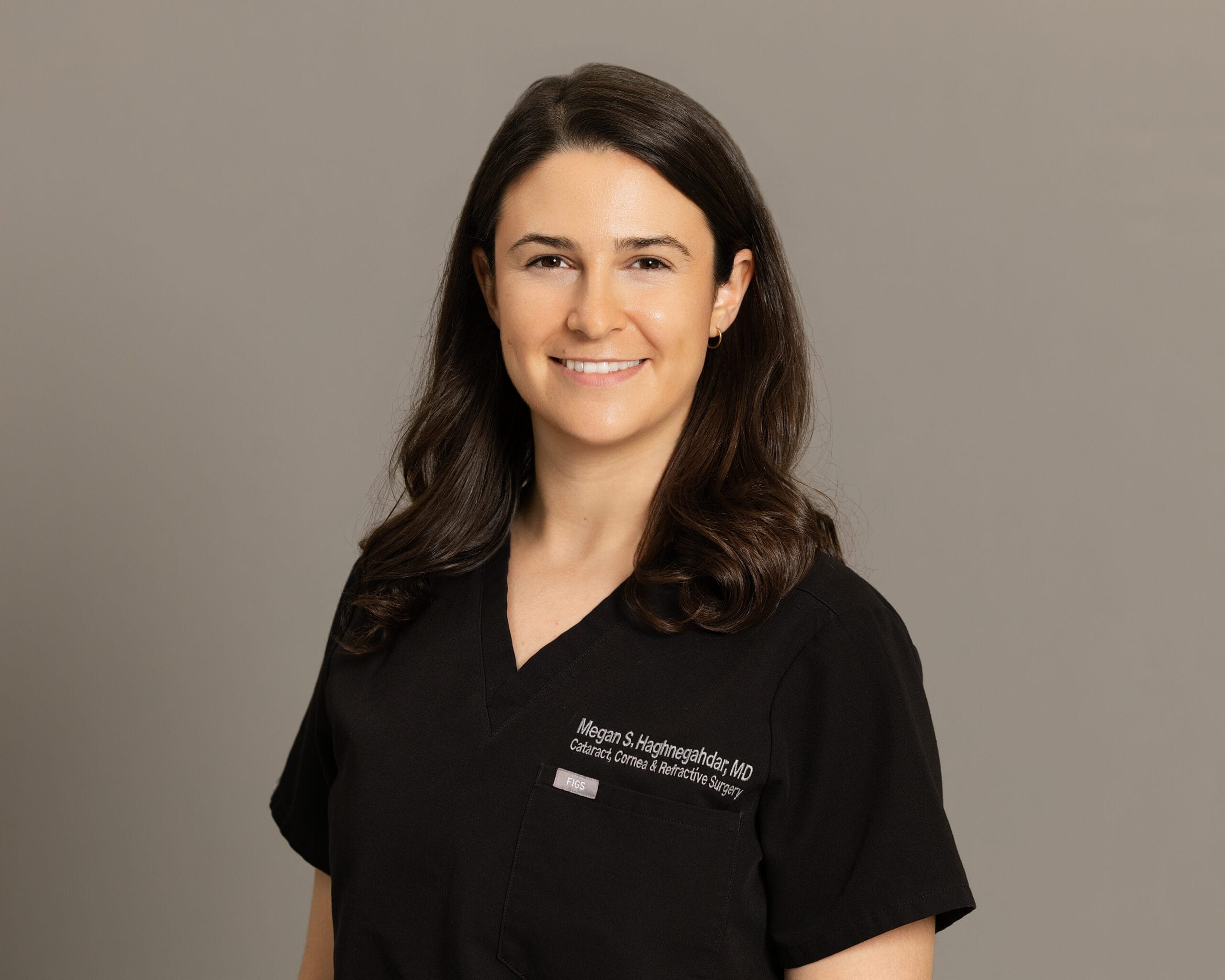
Christopher S. Ketcherside, M.D. and Megan Haghnegahdar, M.D. are our fellowship trained corneal specialist in the surgical treatment of corneal disorders including extensive experience with full thickness transplantation and partial thickness transplantation. Click here to request an appointment or call 913.341.3100 to schedule an evaluation.